Paylaş
In the past, fire alarm systems were commonly used in places with large crowds, such as schools, hospitals, and shopping malls. Today, fire alarm systems are widely used in homes and workplaces as well. Especially in kitchens where accidents are more likely to occur or in other areas where sparks may form, the fire alarm system detects and controls the situation quickly. These sensitive systems can be triggered by even a small spark from a stove or a lit match. Therefore, it is important for people in homes or workplaces to know how to turn off the fire alarm. This way, unnecessary panic can be avoided, and the alarm can be used correctly.
How to Turn Off a Fire Alarm?
When a fire alarm is triggered, it is crucial to stay calm. First, check the house or workplace to verify if there is a real fire. If the alarm is not turning off or has gone off accidentally, it is important to assess the situation calmly without panicking. Once the situation is understood, the correct method should be applied to turn off the fire alarm. To turn off the alarm, entering the pre-set password into the alarm panel is typically sufficient. After entering the correct password, the detectors can be deactivated through the panel, and the alarm can be easily silenced.
What to Consider About Fire Alarms?
In the event of a false alarm, there are steps you can take to avoid unnecessary disruptions. For example, if the alarm goes off during certain activities such as cooking or bathing, it is essential to check the placement of the smoke detectors. Smoke detectors located near stoves, ovens, or showers, where high humidity is common, can trigger false alarms. To resolve this, it is recommended to relocate the smoke detectors away from sources of moisture, air conditioners, fans, or windows.
If the smoke detector has been in use for a long time, you might want to have it cleaned. Dust, dirt, and even insects can trigger false alarms. However, it is essential that you do not attempt to clean the detectors yourself. This should always be done by professional technicians who installed the system.
What Causes False Alarms in Fire Alarm Systems?
Several factors can lead to false alarms in fire alarm systems, including errors in system use, incorrect product selection during the design phase, changes in environmental conditions after installation, mistakes in wiring and cabling, and insufficient periodic maintenance.
The primary causes of false alarms in fire alarm systems are:
- Airborne Particles: Dust, dirt, or steam in the air can cause smoke detectors to falsely identify these particles as smoke. To mitigate this, active smoke detection systems with air filtration can be used. Alternatively, point or linear temperature sensors or UV/IR light-type smoke detectors can help prevent false alarms.
- Unexpected Heat Increase: Heat sensors may misinterpret a non-fire-related temperature increase as a fire, leading to false alarms. Smart heat detection systems are more effective in differentiating fire-related heat increases from other types of heat changes.
- Incorrect Flame Detectors: Using flame detectors that are not suitable for the environment can trigger false alarms. For example, UV flame detectors may give false alarms when exposed to sunlight or other light sources. It is essential to choose the correct type of detector for the environment.
- Incorrect Use of Fire Buttons: Accidental pressing of fire buttons can lead to false alarms. To prevent this, educating users about when to press the fire button (only during real emergencies) is crucial.
- Errors in System Usage and Lack of Maintenance: Errors in system usage, incorrect product selection during design, environmental changes, wiring and cabling mistakes, and lack of regular maintenance can all contribute to false alarms. Therefore, regular maintenance should be performed, and proper system usage should be ensured.
Why Does a Smoke Detector Beep?
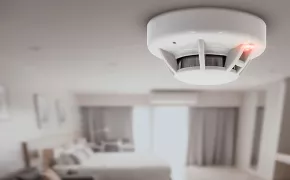
Smoke detectors are critical safety devices in homes and workplaces. However, over time, accumulated dust can cause the detectors to trigger falsely. Some battery-operated smoke detectors can also give false alarms due to changes in battery levels. In such cases, it might be necessary to disable the smoke detector temporarily. Before doing so, it is essential to quickly check the premises to ensure there are no actual dangers.
How to Silence a Smoke Detector?
Turning off a smoke detector is relatively simple. First, access the control panel of the alarm system to which the detector is connected. The panel is usually password-protected to prevent unauthorized access. After entering the correct password, you can disable the detector through the panel.
Turning off the detector enables a quick response to false alarms. However, this action should only be used to address non-emergency situations. After turning off the detector, the security status of the environment should be re-checked. The cause of the false alarm should be identified, and if necessary, expert assistance should be sought.
Smoke detectors are designed to detect potential hazards and are crucial safety devices. Therefore, keeping the detectors active and functional at all times is vital for security. Before any disabling actions, it's important for users and responsible individuals to receive training on how to handle such interventions.
 E-Bülten Üye Olun!